Leaping Ballerina Embroidery: A Dance of Elegance for Craft Fair Success
First Impressions: Bold, Modern, and Artfully Minimal
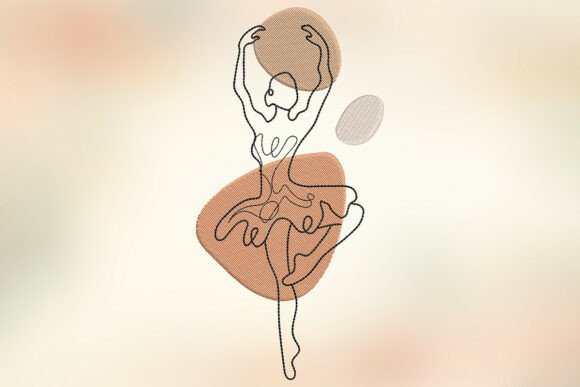
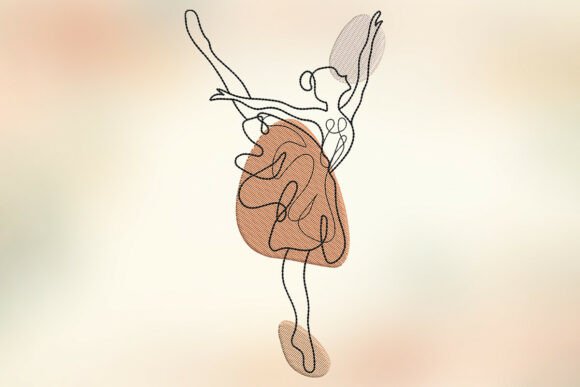
The Leaping Ballerina Embroidery immediately stands out with its abstract, single-line artistry. It’s elegant without being fussy, modern without losing charm, and captures the grace of movement in a way that feels both decorative and premium. For a craft fair or handmade market, this design has the kind of visual storytelling that draws attention without overwhelming a booth display.
Perfect Placement: Where This Design Shines
This design excels as a focal point on tote bags, aprons, and pillow covers. Its flowing, continuous line makes it a natural fit for items where visual flow matters—like tea towels or market bags. On smaller items like patches or fabric pouches, it can work as a charming accent if scaled thoughtfully.
- Tote bags – The open space of a tote lets the design breathe and become a conversation starter.
- Aprons – Positioned on the chest or hip pocket, it adds a touch of whimsy and sophistication.
- Tea towels – The minimalist design complements farmhouse or modern kitchen decor.
- Pillow covers – Centered or subtly tucked into a corner, it adds soft elegance to living or bedroom spaces.
- Embroidered patches – Great for sew-on or iron-on applications, especially for boutique-style apparel.
Visual Appeal and Booth Impact
At a glance, Leaping Ballerina Embroidery reads clearly as a dancer mid-motion—this instant recognition makes it ideal for craft fair foot traffic. Customers scanning your booth will notice the design’s grace and artistic flair, especially if it’s stitched cleanly on smooth fabric.
It photographs beautifully for Etsy listings and printable mockups, especially when styled with soft lighting and paired with complementary thread colors. The single-line style avoids visual clutter, which means it translates well to digital product photos and social media.
Production Practicality: Is It Craft-Fair Ready?
This design is well-suited for batch production. If the line work is consistent and not overly dense, it should stitch quickly and cleanly across a variety of fabrics. However, as with any machine embroidery design, there are key factors to consider before mass-producing:
- Stitch density – Make sure the line isn’t too thin or broken up, which can cause thread breaks or a fragile appearance.
- Thread colors – A single-color design like this relies heavily on contrast. Test on both light and dark fabrics to ensure visibility.
- Hoop size – Check the file’s dimensions to ensure it fits within your hoop and works well on your intended product size.
- Fabric texture – Smooth cotton or linen is ideal; textured towels or thick denim may distort the delicate line.
Careful-Use Notes: What to Watch For
While the design is minimalist, there may be subtle curves or narrow spaces that require attention. Be mindful of:
- Dense stitch areas – Even in a line-art design, overlapping or layered lines can cause puckering.
- Curved surfaces – Caps or rounded pouches might distort the fluidity of the dancer’s pose.
- Dark fabric – A single thread color may get lost on black or navy without proper contrast testing.
- Small scaling – At reduced sizes, the dancer’s details may become indistinct or lose their expressive quality.
Selling Strategy: Who Is This Design For?
Leaping Ballerina Embroidery appeals to a niche but passionate audience—dance studios, ballet moms, boutique gift shops, and Etsy buyers looking for unique, handmade flair. It’s especially strong for seasonal or holiday markets where soft, elegant designs stand out among bolder holiday themes.
For handmade shop owners and creative entrepreneurs, this design can become a signature piece that elevates your brand. It adds a sense of sophistication to your product lineup and helps differentiate your booth from more generic embroidery offerings.
Designer Notes: Before You Stitch and Sell
Before turning this into a commercial embroidery product, take these steps:
- Test on scrap fabric – Especially if you're using a new thread or stabilizer combo.
- Check thread contrast – Use a thread color chart or digital mockup tools to preview results.
- Review spacing – Ensure the line remains consistent and doesn’t break or thin unpredictably.
- Inspect stitch density – Too loose and it looks fragile; too tight and it may pucker the fabric.
- Use the right stabilizer – A lightweight tear-away or wash-away works best for line-art designs.
- Create a real mockup – Digital mockups are great, but nothing beats seeing the design stitched on the actual product.
- Confirm commercial licensing – If you’re selling finished items, ensure the digital embroidery file allows for resale.
Final Thoughts: A Graceful Addition to Your Craft Fair Lineup
The Leaping Ballerina Embroidery is more than a design—it’s a storytelling element that can elevate your handmade products from functional to artistic. Whether stitched on a tote bag, apron, or pillow cover, it brings a sense of movement and elegance that resonates with customers looking for something unique and meaningful.
For craft fair sellers and small shop product creators, this design is a smart investment. It’s versatile, photographable, and easy to produce at scale—so long as you test and adapt for your materials and audience. With the right presentation and product pairing, it can become a standout piece in your booth and a reliable seller across markets and seasons.