Abstract Line Ballerina Embroidery: A Craft Fair Review
First Impressions: Elegant, Modern, and Dance-Inspired
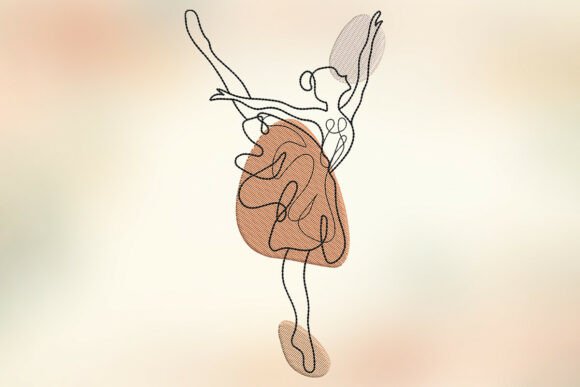
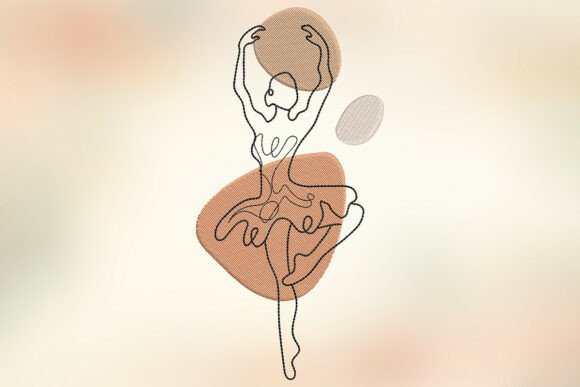
The Abstract Line Ballerina Embroidery strikes a delicate balance between minimalism and artistic flair. At first glance, it feels elegant and modern, with clean lines that evoke movement and grace. The dance theme is subtle but unmistakable, making it a standout choice for craft fair sellers and handmade product creators looking to appeal to both ballet enthusiasts and lovers of abstract art.
It’s not overtly cute or rustic, but rather has a refined, slightly premium vibe. This makes it especially well-suited for products that lean toward sophistication—think tote bags, pillow covers, and embroidered patches that double as collectible art.
How It Performs on Craft Fair Products
As an embroidery designer preparing for a weekend craft fair, I evaluated how this design would translate across several product types. Here's how it holds up:
- Tote Bags: Works beautifully as a focal point on medium to large tote bags. Its flowing lines draw the eye and can be paired with coordinating text or accents to enhance brand storytelling.
- Aprons: Makes a stylish addition to aprons, especially when placed on the chest or hemline. It adds a touch of personality without overwhelming the garment.
- Tea Towels: The design’s minimal stitch count likely makes it ideal for textured kitchen linens. It maintains clarity on medium-weave cotton and reads well from a distance.
- Caps: May require scaling down, which could risk losing some of the design’s detail. Best suited for curved embroidery placements that follow the cap’s shape.
- Patches: Shines as a sew-on or iron-on patch. Its abstract nature gives it a unique edge, making it appealing for boutique-style accessories.
- Fabric Pouches: Scales well on small pouches, especially when centered on the front panel. Offers strong visual appeal without crowding the space.
- Pillow Covers: A perfect match. The design’s balance and flow complement the symmetry of square or rectangular pillow fronts.
- Handmade Gifts & Etsy Listings: Definitely giftable. Its artistic style and dance theme make it easy to market to niche audiences, especially around holidays or dance recital seasons.
What Works for Selling and Production
One of the biggest selling points of the Abstract Line Ballerina Embroidery is its clarity at a glance. It’s instantly recognizable as a dancer in motion, which is important for craft fair foot traffic. Customers don’t need to stop and decode it—they get it immediately.
It also photographs well. The clean lines and defined silhouette ensure it looks sharp in product photos, which is essential for Etsy sellers and digital marketplaces. It’s not overly intricate, so it avoids the “fuzzy” look that can plague busy embroidery in online listings.
Batch production should be manageable, assuming the stitch density is moderate. It’s a good candidate for mass-producing tote bags or pillow covers, especially if you're using a multi-needle machine. Just be sure to test on scrap fabric first to confirm how it behaves under tension and thread color variations.
Points to Watch For
While the design is elegant, there are a few practical considerations:
- Dense Stitch Areas: If the design includes any thick outlines or overlapping lines, they may bunch up on softer or stretchier fabrics. Check for stitch density before production.
- Small Details: Any fine lines or tiny features may be lost on textured towels or curved cap surfaces. Consider using a smaller hoop or adjusting placement for clarity.
- Dark Fabric: The design may need contrasting thread colors to stand out. Test on dark cotton or linen to ensure visibility.
- Scaling Down: Avoid reducing the design too much—especially for caps or small pouches—as it may lose its intended elegance and readability.
Impact on Visual Appeal and Booth Strength
The Abstract Line Ballerina Embroidery elevates the perceived value of handmade items. It has a boutique aesthetic that appeals to buyers looking for something artistic but wearable. On a craft fair table, it stands out from more literal or cutesy designs, offering a mature alternative that still feels accessible.
It’s also a great conversation starter. Customers may ask about the inspiration or meaning behind the design, giving you a chance to connect and upsell. That kind of buyer engagement is gold at craft fairs.
From a branding perspective, this design fits well into a cohesive product line. Whether you're selling embroidered tote bags or digital embroidery files, it supports a consistent visual identity that’s both modern and meaningful.
Designer Notes for Best Results
Before taking this design to market, here are a few tested tips to ensure quality and consistency:
- Test on Scrap Fabric: Always run a test stitch-out before committing to final materials.
- Check Thread Contrast: Use thread colors that highlight the design’s lines and motion.
- Review Spacing: Make sure the lines are spaced properly to avoid overcrowding or distortion.
- Confirm Hoop Size: Match the hoop to the design’s dimensions to prevent stretching or distortion.
- Inspect Stitch Density: Avoid overly tight stitching that could pucker or pull fabric.
- Use the Right Stabilizer: Especially important for stretchy or textured materials.
- Create a Real Mockup: Don’t rely solely on digital previews. Make at least one physical sample.
- Compare Fabric Colors: See how the design appears on light, medium, and dark backgrounds.
- Confirm Commercial Licensing: If you’re selling finished products, verify that the design allows for commercial use.
Final Thoughts: A Strong Choice for Craft Sellers
The Abstract Line Ballerina Embroidery is a smart addition to any craft fair or handmade product lineup. It’s versatile, visually engaging, and offers a unique design language that sets it apart from more traditional embroidery motifs.
Whether you're creating tote bags, tea towels, or digital embroidery files for other sellers, this design brings a modern, artistic edge that resonates with buyers. Just keep an eye on fabric texture, hoop size, and stitch density—and you’ll have a reliable, repeatable product that sells well and looks great on display.