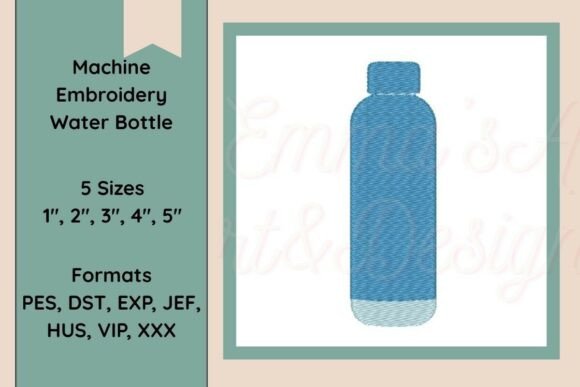
Water Bottle Machine Embroidery Design Review
As I set up my booth for the upcoming weekend craft fair, the table is already cluttered with potential bestsellers. There are embroidered tote bags, rustic aprons, and delicate tea towels waiting to be transformed from plain fabric into high-value handmade products. In this sea of textures and colors, I am currently evaluating a new machine embroidery design that promises to bring a fresh aesthetic to my Summer collection: the Water Bottle Machine Embroidery Design. The product description highlights it as a simple and stylish option perfect for modern stitch projects with clean lines. But does it translate well from a digital file to a physical item that customers will stop to touch and buy? Let's dive into a real-world review of how this design performs when turned into actual inventory.
First Impressions: A Modern Minimalist Vibe
When I first loaded the Water Bottle Machine Embroidery Design onto my machine screen, the immediate impression was one of clarity and restraint. Unlike some overly decorative motifs that can feel dated or cluttered, this design leans heavily into a modern, minimal aesthetic. It feels less like a traditional farmhouse piece and more like a sleek accessory for the contemporary crafter. The "clean lines" mentioned in the description are evident; there is no unnecessary fill stitching or excessive satin work that often leads to puckering on thinner fabrics.
For an Etsy seller or boutique maker trying to stand out in a crowded market, this understated elegance is a significant asset. It suggests quality without shouting for attention. The design has a premium feel that elevates even the simplest base material. Whether you are aiming for a cute, youthful look or a sophisticated, adult-oriented style, the versatility of this embroidery file allows it to adapt to various brand identities while maintaining its core modern identity.
Product Placement: Where Does It Shine?
The true test of any digital embroidery file is how it looks on finished goods. As I prepared my display samples, I tested the Water Bottle Machine Embroidery Design across several key categories to see where it would drive the most sales.
Tote Bags and Market Bags
This is arguably the strongest application for this specific motif. On a sturdy canvas tote bag, the clean lines of the water bottle icon pop beautifully. It works perfectly as a small accent near the bottom corner or as a larger focal point centered on the front. For the eco-conscious shopper at a craft fair, a tote bag featuring a stylish water bottle graphic reinforces the message of sustainability while looking chic. It transforms a generic tote bag design into a statement piece that encourages hydration and environmental awareness simultaneously.
Kitchen Textiles: Aprons and Tea Towels
Moving to the kitchen category, the design performs admirably on apron embroidery and tea towel embroidery. However, caution is needed regarding fabric texture. On a smooth cotton apron, the stitches lay flat and crisp. On a textured linen tea towel, the design still holds up well, but the slight weave of the fabric adds a rustic charm that complements the modern lines. This contrast between the precise stitching and the natural fabric texture creates a tactile experience that draws customers in. It feels like a thoughtful gift rather than just a utility item.
Patches and Caps
For those interested in creating embroidered patches or decorating caps, the simplicity of the Water Bottle Machine Embroidery Design is crucial. Patches require dense, clear imagery because they are often viewed from a distance. This design maintains its integrity even when hooped tightly for patch production. On a curved cap surface, the lack of intricate detail means the design doesn't distort easily, making it a reliable choice for headwear that needs to look professional.
Production Practicalities for the Small Shop Owner
As a business owner, time is money. When planning batch production for a weekend market, I need designs that are quick to hoop, easy to stitch, and forgiving of minor setup errors. The Water Bottle Machine Embroidery Design scores highly on efficiency. Because it relies on clean lines rather than massive areas of fill, the run time is relatively short. This makes it ideal for rapid production runs where you need to churn out twenty or thirty items before the fair opens.
However, practicality also involves understanding the limitations. While the design is simple, you must pay close attention to stitch density. Even with clean lines, if the thread tension is off or the wrong stabilizer is used, the edges can look jagged. I recommend testing the design on scrap fabric first to ensure the lines are smooth and not too sparse. Additionally, check your hoop size requirements. If you are working with very small pouches, ensure the design scales down without losing legibility. Tiny details can get lost if the design is shrunk too much, turning a recognizable water bottle into a blurry blob.
Visual Appeal and Customer Engagement
In a craft fair setting, visual appeal dictates whether a customer stops at your booth. The Water Bottle Machine Embroidery Design offers a distinct advantage: it photographs exceptionally well. For online listings on Etsy or social media, the clean aesthetic translates perfectly to digital screens. A printable mockup of this design on a white background or a neutral fabric looks professional and inviting. Customers browsing online appreciate the clarity, which builds trust in the quality of the finished product.
Furthermore, the design contributes significantly to brand consistency. If your shop focuses on modern, lifestyle-oriented handmade goods, this motif fits seamlessly. It avoids the "cluttered" look that can sometimes overwhelm a buyer. Instead, it offers a clean, unobtrusive element that enhances the product without overpowering it. This balance is key for increasing perceived value. A simple tote bag might sell for ten dollars, but the same bag with a high-quality, modern embroidered logo can easily command fifteen or twenty dollars.
Critical Designer Notes for Success
To ensure your commercial embroidery venture succeeds with this file, keep these critical notes in mind:
- Fabric Selection Matters: Avoid extremely thick or fuzzy fabrics like heavy fleece unless you use a cutaway stabilizer. The clean lines of the Water Bottle Machine Embroidery Design rely on a stable base to remain sharp.
- Thread Contrast: To maximize visibility, choose thread colors that contrast sharply with your fabric. A dark grey bottle on a light grey tote might disappear in low light, whereas a navy or black thread on beige canvas will grab attention immediately.
- Licensing Check: Before selling your handmade product, always confirm the commercial licensing terms of the embroidery file. Ensure you have the right to sell finished goods containing this design, especially if you plan to scale your production.
- Mockups are Essential: Never skip the step of creating a real mockup. Digital previews can be deceiving. Stitching it out once allows you to see exactly how the design assets interact with your chosen materials.
- Spacing and Placement: Be mindful of spacing, especially on items like pillow covers or aprons. Give the design enough room to breathe so it doesn't look cramped against seams or hems.
Final Verdict for the Creative Entrepreneur
The Water Bottle Machine Embroidery Design is a solid addition to any Summer collection for craft fair sellers and online shop owners. Its modern, clean aesthetic fills a gap in the market for minimalist, lifestyle-focused Embroidery projects. It is versatile enough to work on everything from small shop products like fabric pouches to larger items like tote bags and aprons. While it requires careful attention to stabilizer choice and thread tension to maintain its crisp lines, the payoff is a high-perceived-value product that appeals to a broad audience.
If you are looking for a design that is easy to produce in batches, photographs beautifully for marketing, and offers a fresh take on everyday items, this is a winner. It turns a simple concept into a tangible, high-quality good that customers will want to take home. Just remember to test, stabilize, and license correctly, and you will have a standout piece ready for your next market event.