Summer Fish Embroidery Design Review
As a professional embroidery designer who has spent countless weekends setting up booths at craft fairs and managing online handmade shops, I know that the difference between a product that gathers dust and one that sells out often comes down to the design choice. Today, I am reviewing the Summer Fish Embroidery Design, a digital asset promising a playful coastal touch for your projects. Before I commit to turning this into a batch of inventory for my next market weekend, I need to evaluate its real-world potential. Does it have the visual pop required to stop a customer in their tracks? Is it practical for mass production on a tight deadline? Let's dive into the details of how this specific machine embroidery design performs when translated from a screen to a finished product.
First Impressions: A Playful Coastal Vibe
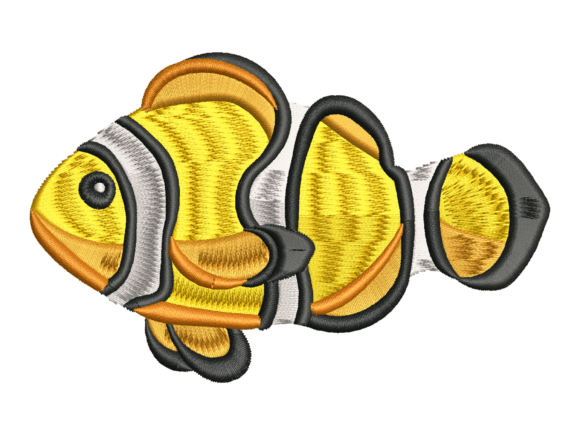
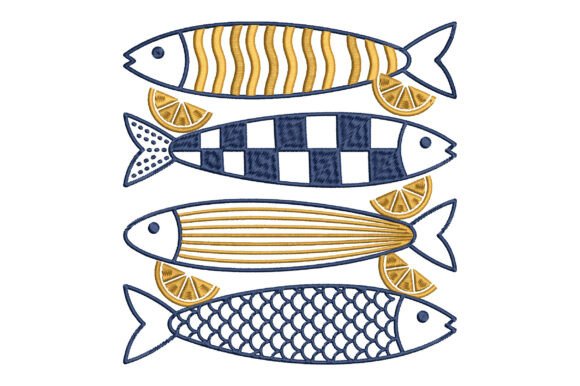
At first glance, the Summer Fish Embroidery Design exudes a cheerful, modern aesthetic that leans heavily into the "coastal grandma" or beach cottage trend currently dominating home decor and lifestyle accessories. The description highlights a row of stylized fish with unique patterns and charming lemon accents. This combination suggests a bright, high-contrast look that is perfect for summer collections. Unlike traditional nautical themes that rely on anchors and ropes, this design feels fresh and whimsical. The inclusion of lemons adds a pop of yellow that breaks up the typical blues and teals associated with ocean themes, making it stand out on a crowded table filled with generic beachy items.
For an Etsy seller or boutique maker, this design offers a distinct mood. It is not overly rustic or farmhouse; instead, it feels decorative and festive. The stylized nature of the fish implies that the lines are likely clean and bold enough to be read easily from a distance, which is crucial for booth displays where customers walk by quickly. If the stitch density is balanced correctly, this could easily become a signature piece for a small shop product line focused on summer refreshment.
Product Performance Across Different Items
When planning a craft fair product lineup, versatility is key. I evaluated how the Summer Fish Embroidery Design translates across various substrates commonly sold at markets. Here is how it performs on specific items:
- Tote Bag Design: This is arguably the strongest application. A row of fish works beautifully horizontally across the bottom or vertically along the side of a canvas tote bag. The scale allows for the lemon accents to remain visible without getting lost. It transforms a plain white bag into a statement craft fair product that screams "beach day."
- Apron Embroidery: Placing this design on the bib of a linen apron creates an instant focal point. The playful nature fits perfectly with kitchen themes, especially for summer cookouts or lemonade stands. It elevates a simple garment into a giftable handmade item.
- Tea Towel Embroidery: Kitchen textiles are a staple for handmade markets. The lemon motif pairs exceptionally well with tea towels. However, care must be taken with the fabric texture. On a highly textured towel, the smaller details of the fish patterns might get slightly obscured, so a larger hoop size might be necessary to maintain clarity.
- Embroidered Patch: For those looking to create wearable art, this design is excellent for patches. The row format is ideal for iron-on patches that can be applied to denim jackets, hats, or backpacks. It offers great value as a low-cost add-on to increase the average order value of a sale.
- Pillow Covers and Market Bags: While effective, these require careful placement. On a pillow cover, the row should be centered to avoid looking lopsided. On market bags, the durability of the thread colors against outdoor elements is a consideration, but the design itself holds up well visually.
Practical Production and Selling Points
From a business perspective, the Summer Fish Embroidery Design scores high on repeatability. Because it features a row of similar elements, it is relatively easy to produce in batches. Once you have dialed in the stabilizer and tension settings, you can run multiple units efficiently. This efficiency is vital for meeting the demand of a busy weekend market.
The design also photographs exceptionally well for online listings. The contrast between the colorful fish and the lemon accents creates natural shadows and highlights that make for attractive printable mockups. When creating your Etsy listing images, the vibrant colors will draw the eye immediately, increasing click-through rates. Furthermore, the design feels cohesive enough to build a brand around. If you sell other coastal items, this embroidery file acts as a unifying element that strengthens your brand consistency.
However, there are critical factors to consider regarding visual appeal and buyer engagement. The design needs to be large enough to be understood at a glance. If you shrink it too much for a small pouch or cap, the unique patterns inside the fish may blur together. In a booth setting, customers want to see quality. If the stitch density is too low, the backing will show through, making the product look cheap. Conversely, if it is too dense, the fabric may pucker, ruining the drape of a tote bag or apron.
Designer Notes: Technical Considerations and Pitfalls
Before you rush to hoop your first production run, heed these practical notes from my experience. Always test the Summer Fish Embroidery Design on scrap fabric first. Check the thread colors against your chosen background material. For instance, using dark blue thread on a navy tote bag will result in zero visibility. You need high contrast to make the lemon accents pop.
Be mindful of the fabric texture. As mentioned, thick terry cloth on towels can interfere with fine details. If the design includes tiny lettering or very thin lines within the fish scales, ensure they do not disappear into the weave of the fabric. Additionally, curved surfaces like caps present a challenge. The row of fish might distort if the cap curve is severe, so adjust the hoop size and use a specialized cap frame to keep the design flat.
Stabilizer choice is non-negotiable. For items like tote bags and aprons, a cutaway stabilizer is often best to prevent puckering and support the weight of the stitches over time. For lighter items like pillow covers, a tear-away might suffice, but always check the back of the embroidery to ensure no threads are pulling loose.
Finally, confirm the commercial licensing before selling finished products. Ensure you have the right to sell items made with this digital embroidery file. Do not assume all designs are free for commercial use. Verify the terms with the designer to protect your business from legal issues.
Final Verdict for Craft Entrepreneurs
The Summer Fish Embroidery Design is a strong contender for any summer collection. It hits the sweet spot between trendy and timeless, offering a playful aesthetic that appeals to a wide range of buyers. Its versatility across tote bags, aprons, and kitchen linens makes it a smart investment for craft fair sellers and digital sellers alike. By paying attention to thread contrast, stabilizer selection, and proper sizing, you can turn this machine embroidery design into a high-value, best-selling handmade product. Whether you are stocking a physical booth or updating your online shop, this design has the potential to bring a splash of color and joy to your inventory.